

INNUOS LPS1
แบรนด์: Innuos
49,000 ฿
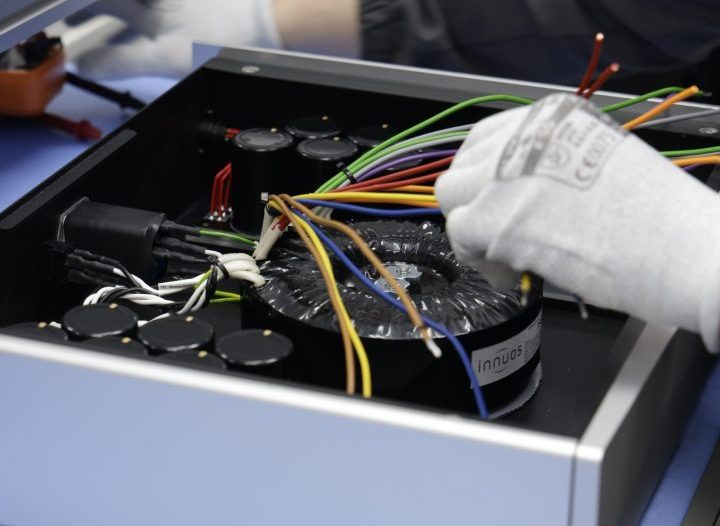
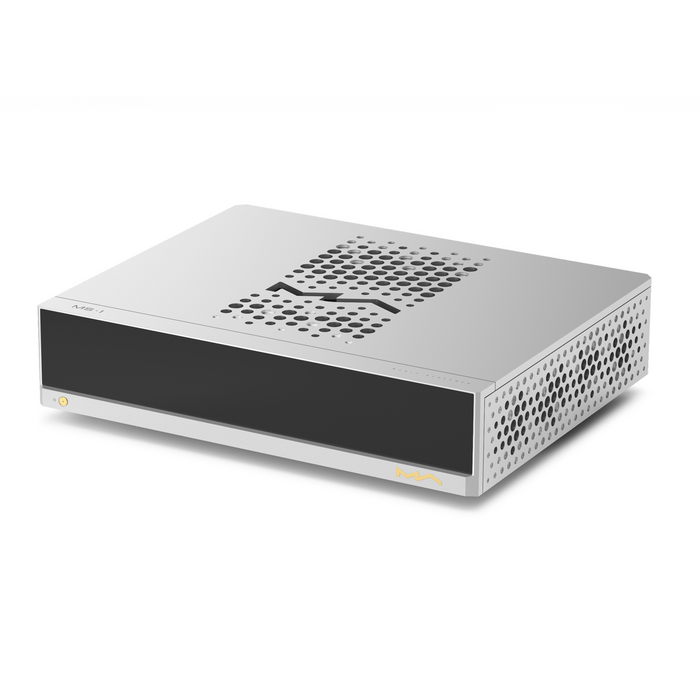
LPS1: A Linear Upgrade Over Switching PowerLPS1 is built around a 150VA toroidal transformer and designed specifically to replace the stock switching power supply on Innuos’ STREAM1, addressing one of the most common upgrade paths in a digital source system.
It provides two DC outputs - 19V and 5V - so a single LPS1 can power both the STREAM1 and a second device, such as a DAC or network switch, from one linear supply.
It provides two DC outputs - 19V and 5V - so a single LPS1 can power both the STREAM1 and a second device, such as a DAC or network switch, from one linear supply.
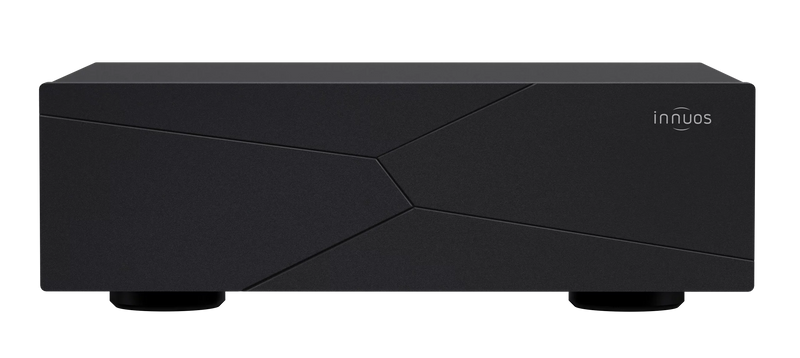
LPS1: Medical-Grade FilteringInnuos build LPS1 with medical-grade AC filtering ahead of the transformer, combined with Mundorf and Nichicon capacitors on the output stages - component choices aimed at keeping mains-borne noise from reaching the connected components.
A 4mm chassis grounding port is built into the unit, giving a system a dedicated point to address electrical noise through grounding rather than relying solely on the mains earth.
A 4mm chassis grounding port is built into the unit, giving a system a dedicated point to address electrical noise through grounding rather than relying solely on the mains earth.
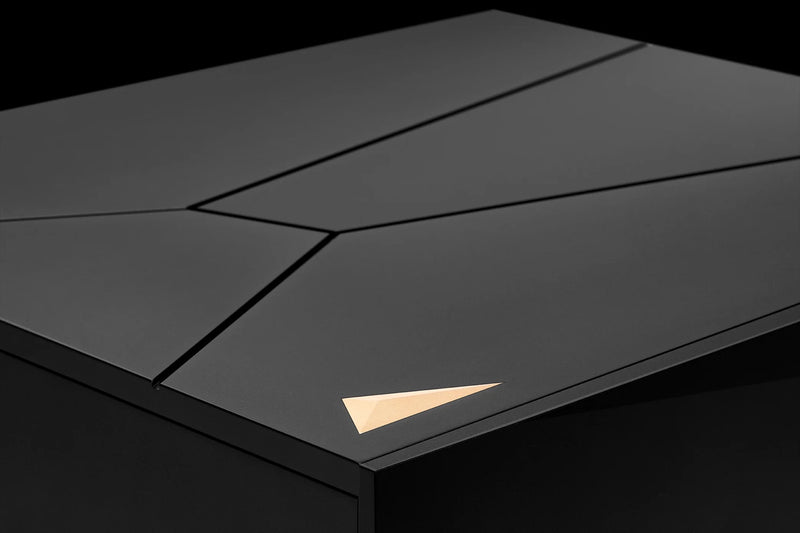
LPS1: Backwards CompatibleLPS1 is backwards compatible with Innuos’ older ZENmini Mk3 and PULSEmini models, so a system built around one of those units can still upgrade to a linear supply without needing a newer Innuos source component.
Dimensions are 240 x 200 x 80mm (W x D x H), sized to sit comfortably alongside a STREAM1 or similar half-size Innuos component in a rack.
Dimensions are 240 x 200 x 80mm (W x D x H), sized to sit comfortably alongside a STREAM1 or similar half-size Innuos component in a rack.

LPS1: One Supply, Two DevicesBecause LPS1 outputs both 19V and 5V simultaneously, it is commonly paired not just with the STREAM1 alone but with a second downstream device sharing the same rack space - reducing the number of separate power supplies and wall sockets a system needs.
For a system already running Innuos digital source components, LPS1 is one of the more cost-effective upgrades available, addressing power supply noise without replacing the source component itself.
For a system already running Innuos digital source components, LPS1 is one of the more cost-effective upgrades available, addressing power supply noise without replacing the source component itself.